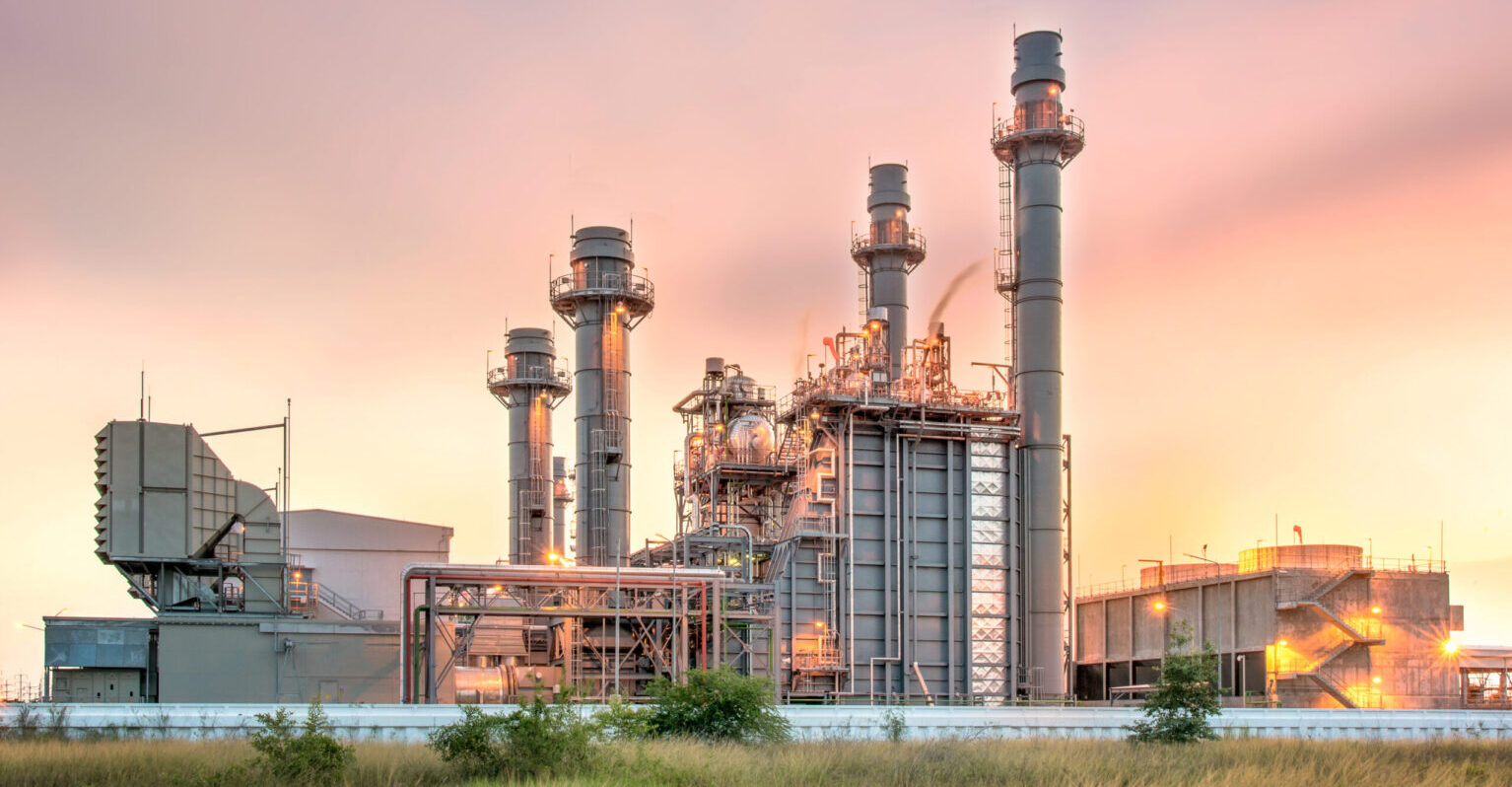
Watson Millican & Company’s technical experts were retained through counsel for a Central America power plant operator. A power plant experienced repeated shutdowns, capacity reductions, and equipment damage due to severe particle contamination of its fuel gas system supplied by a natural gas pipeline operator. The contamination consisted of upwards of 1 metric ton of particulate contaminants over a several months. The contamination led to forced outages, loss of electricity production, repeated fouling of the power plant fuel gas filters, and extensive damage to the internal components of the gas turbines.
The Dispute
Pipeline Gas Contamination
The contention was whether the pipeline operator is technically liable for the contamination due to improper operation of its filtering equipment, resulting in failure to meet pipeline natural gas quality standards.
Gas Turbine Maintenance
The contention was whether the pipeline operator is technically liable for the costs and delay effects from the gas turbine equipment damage caused by the severe contamination the fuel gas system. The plant operated with a Contractual Service Agreement (CSA) which covered maintenance of the gas turbine equipment; however, unexpected damage from the fuel gas contamination led to gas turbine unplanned maintenance issues, costs and operational outages. The contamination of the fuel gas was deemed by the CSA provider as a violation of its contractual minimum fuel gas quality specifications for the gas turbines, shifting responsibility for the unplanned maintenance costs to the plant operator.
The CSA provider recommended maintenance of the combustion system and turbine sections. Repair costs were not covered by the CSA due to the contamination specification violations.
Watson Millican & Company Scope
Watson Millican’s technical experts conducted a comprehensive investigation of the contamination issue, including review of project documents, operating data during the contamination events, equipment component damage and fuel gas particulate contaminate analysis. Site visits were conducted to inspect fuel gas filtering equipment, and interviews with operation and maintenance personnel were conducted. Watson Millican’s technical experts estimated the scope of repair which included replacement of combustion system hardware and turbine components. The client was provided an analysis of the intricacies of maintenance agreements and the impact of fuel contamination on power plant equipment to ensure reliable and cost-effective operation, along with an assessment of the repercussions of fuel gas contamination in power plant equipment, including associated repair costs and delay effects of the repairs.
Based on the particulate contamination analysis, Waton Millican’s technical experts concluded that the particle contaminates, consisting of iron oxide and black powder particles, originated from the pipeline system. The fuel gas filtering system was overwhelmed due to improper operation of the pipeline filtering equipment. This led to significant contamination of gas turbine equipment, necessitating major repairs. As a result of the fuel gas contamination, the plant’s gas turbines experienced extensive damage which required major repairs and resulted revenue losses. This maintenance dispute highlighted the critical importance of adherence to fuel gas specifications and the implications of not complying with service agreement requirements. The outcome underscores the importance of ensuring pipeline gas quality and compliance with regulatory standards to prevent similar incidents and maintain the reliability of power generation operations. The matter was settled prior to the scheduled arbitration hearing.
Project Scope:
-
Services: Pipeline Operations; Engineering; Procurement Management
-
Sectors: Power Generation; Fuel Gas Quality Management; Contractual Agreements; Energy Infrastructure; Repair Cost Analysis